
Leading Solutions For Concrete Installation Success
Identify top products designed to improve efficiency, precision, and durability in concrete installation tasks.
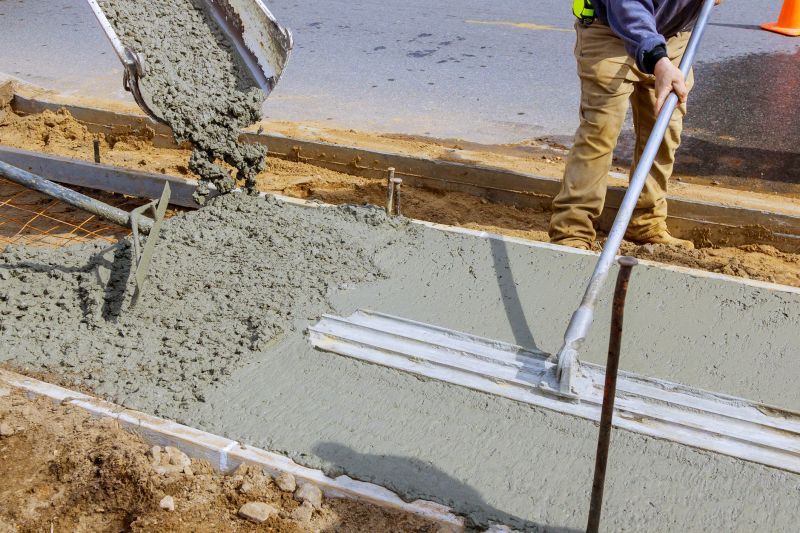 Concrete installations require a range of specialized products to ensure durability, stability, and proper finishing. From foundational materials to surface treatments, selecting the right products is essential for successful projects. Whether installing new concrete slabs, repairing existing surfaces, or enhancing finishes, having the appropriate tools and materials can significantly impact the outcome. In Norwalk, CT, many professionals and DIY enthusiasts seek reliable products that meet their specific needs for concrete work.
Top Overall Option
Versatile Concrete Mixer
A reliable concrete mixer is a fundamental tool for mixing consistent batches of concrete for various installation projects. It ensures uniform mixing, reducing labor time and improving work quality. Suitable for both small repairs and larger construction tasks, a versatile mixer can handle different volumes and types of concrete mixes, making it an essential component of any concrete installation toolkit.
Types of Products For Concrete Installations
Concrete Mixes
Pre-blended concrete mixes designed for specific applications like slabs, footings, or decorative finishes.
Reinforcement Materials
Includes steel rebar, wire mesh, and fiber reinforcements to strengthen concrete structures.
Form Release Agents
Products that help in removing forms easily and prevent sticking during concrete pouring.
Concrete Sealers
Surface treatments that protect concrete from moisture, stains, and wear.
Curing Compounds
Sprays or liquids applied to retain moisture and aid in proper curing of concrete.
Water Repellents
Products that reduce water penetration and enhance durability of concrete surfaces.
Surface Finishing Tools
Tools like trowels, floats, and edgers used for smoothing and finishing concrete surfaces.
Concrete Vibrators
Equipment used to remove air bubbles and ensure proper compaction of concrete.
Expansion Joints
Materials used to control cracking and allow for movement in concrete slabs.
Concrete Pumps
Machinery that facilitates the placement of concrete in hard-to-reach areas.
Anchors and Fasteners
Hardware used to secure fixtures and structural elements to concrete surfaces.
Surface Patches and Repair Mortars
Materials for repairing cracks, holes, and damaged areas in existing concrete.
Concrete Edging Tools
Tools designed for creating decorative or functional edges on concrete surfaces.
Admixtures
Chemical additives that modify the properties of concrete, such as setting time or workability.
Formwork Materials
Plywood, metal, or plastic forms used to shape poured concrete.
Surface Texturing Products
Materials used to create slip-resistant or decorative textures on concrete surfaces.
Popular Choices
Ready-mixed concrete bags are commonly used for small to medium repair and installation projects.
Widely used reinforcement options for strengthening concrete slabs and foundations.
Popular for protecting concrete surfaces from stains and moisture ingress.
Materials that help maintain moisture during curing, especially in variable weather conditions.
Essential finishing tools favored for their ease of use and effectiveness.
Commonly used to prevent cracking in large slabs and driveways.
Popular for waterproofing below-grade concrete structures.
Widely used to ensure proper compaction and reduce voids in poured concrete.
Commonly applied to facilitate form removal and achieve clean finishes.
Frequently selected for patching cracks and surface repairs in existing concrete.
Trending for larger projects requiring efficient placement of concrete in difficult locations.
Popular hardware for securing fixtures and structural elements to concrete.
Textures and coatings used to enhance appearance and slip resistance.
Understanding the variety of products available can help in making informed decisions. For foundational work, products like concrete mixes and reinforcement materials are vital. For finishing and surface preparation, tools such as trowels, floats, and sealers are commonly used. Additionally, curing compounds and water repellents play a crucial role in extending the lifespan of concrete installations. Proper selection and application of these products can lead to more consistent results and longer-lasting structures.
Safety and ease of use are also important considerations. Many products are designed to be user-friendly, with clear instructions and safety features. For larger projects, equipment such as concrete mixers and pumps can improve efficiency. In contrast, smaller projects may require handheld tools and surface treatments. Overall, investing in quality products tailored to specific installation needs can help achieve professional results, whether for residential, commercial, or industrial applications in Norwalk and surrounding areas.
Key Buying Considerations
- Project scale and scope to determine the quantity and type of products needed.
- Compatibility of reinforcement materials with concrete mixes and project requirements.
- Ease of application and user-friendliness of tools and finishing products.
- Durability and longevity of surface treatments like sealers and waterproofing agents.
- Curing requirements and whether specialized compounds or blankets are necessary.
- Weather conditions during installation, which can influence product selection and curing methods.
- Compatibility of formwork materials with concrete to ensure clean finishes and easy removal.
- Safety features and instructions for handling chemical products and power tools.
- Budget constraints balanced with quality and performance of selected products.
- Availability of technical support or guidance for complex installation procedures.
- Environmental conditions such as moisture levels, temperature, and exposure to elements.
- Type of concrete mix or reinforcement suited for the specific application (e.g., decorative, structural).
- Ease of transportation and storage of bulk materials and equipment.
- Compliance with local building codes and standards relevant to concrete installation.
- Future maintenance needs based on the selected products and surface treatments.